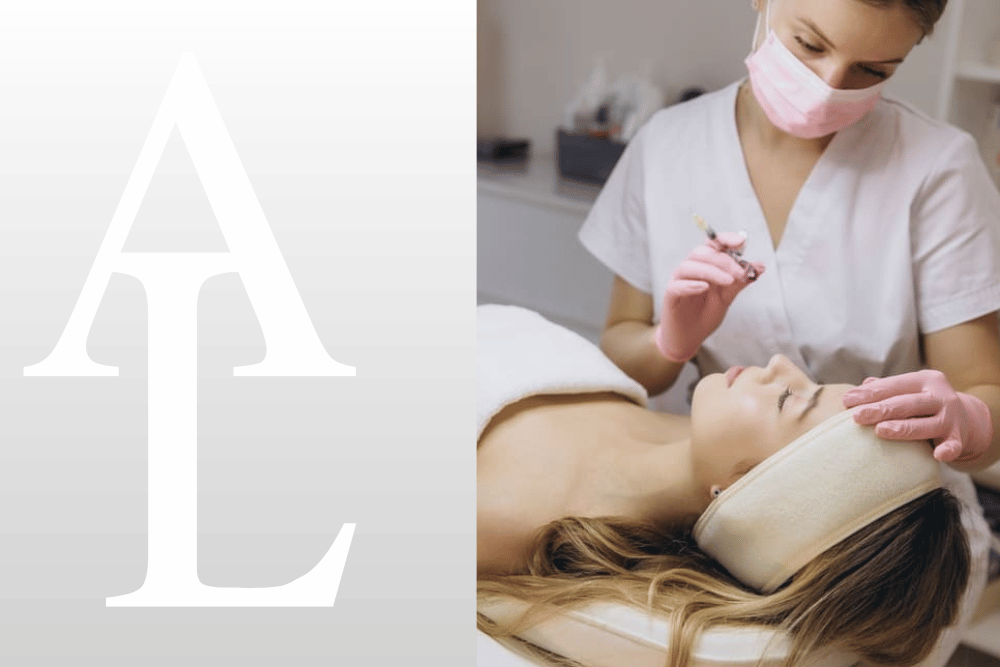
The landscape of non-surgical cosmetic procedures in Scotland is on the verge of a major transformation. Recent legislative developments have seen a crucial proposal to license and regulate the aesthetics industry pass its first parliamentary hurdle. This marks a significant step toward safer practices in a sector that has, until now, operated with surprisingly little oversight.
For years, campaigners and medical professionals have voiced concerns over the lack of regulation governing procedures like dermal fillers and Botox. Currently, virtually anyone in Scotland can legally perform these treatments without proving their medical competence or training. This “Wild West” environment has led to a rise in botched procedures, infections, and long-term complications for clients who often assume their practitioners are medically qualified.
The proposed legislation aims to close these dangerous loopholes. By introducing a licensing scheme, the government intends to ensure that only trained, qualified professionals can administer potentially risky treatments. Passing this first stage signals strong political will to prioritize patient safety over unrestricted commercial growth. It acknowledges that while aesthetic treatments are popular and accessible, they are medical interventions that require a standard of care.
For the industry, the impact will be profound. Reputable practitioners—doctors, nurses, and dentists who have invested in rigorous training—will likely welcome the move. It levels the playing field, distinguishing serious professionals from untrained operators who undercut prices at the expense of safety. However, for those operating without formal qualifications or in unsuitable environments, this regulation will likely force a choice: upskill to meet new standards or exit the market.
This move by Scotland could also set a precedent for the rest of the UK, where calls for stricter controls are growing louder. As the bill progresses through further scrutiny, the focus remains clear: protecting the public. Aesthetic procedures should enhance confidence, not risk health. By moving to regulate this booming industry, Scotland is taking a vital step toward ensuring that beauty treatments are not just accessible, but safe for everyone.